
Care Insights
How to Structure Home Rehabilitation Plans
20 August 2026
Learn how to structure home rehabilitation around meaningful routines, safe progress and shared goals, helping recovery support independence every day.
A home rehabilitation plan can look sensible on paper and still fail in real life. If exercises sit beside the kettle untouched, appointments do not fit around school runs, or a person feels they are being treated as a diagnosis rather than themselves, motivation quickly fades. Learning how to structure home rehabilitation means building recovery around the life someone wants to return to, adapt, or newly create.
Home is where the everyday work of living happens: getting washed and dressed, preparing meals, managing fatigue, playing with children, studying, working, resting and staying connected to others. Rehabilitation in this setting should not simply add more tasks to an already difficult day. It should make meaningful activities more possible, one manageable step at a time.
Start with the life the person wants to live
The strongest rehabilitation plans begin with a conversation, not a worksheet. Before deciding what to practise, understand what matters to the individual and the people supporting them. For one adult, the priority may be making a cup of tea safely after a stroke. For another, it may be returning to work without becoming overwhelmed. A child may want to manage their school bag, join in with PE, or feel more confident at a friend’s house.
These goals are more useful than broad aims such as “improve mobility” or “increase independence” because they give therapy a clear purpose. They also recognise that recovery is personal. Two people with similar injuries, diagnoses or support needs may have entirely different routines, strengths, environments and hopes for the future.
A thoughtful occupational therapy assessment considers the person, their occupations and their environment together. This includes physical ability, cognition, sensory needs, emotional wellbeing, habits, confidence, family roles, home layout and access to community life. It also considers what is already working. A plan built only around problems can feel discouraging; a plan that draws on interests and existing abilities creates a more realistic foundation for progress.
How to structure home rehabilitation around daily routines
Rather than treating rehabilitation as a separate block of work, connect it to activities that already happen. This makes practice easier to remember and more relevant. Standing tolerance might be developed while preparing breakfast, for example. Hand function can be practised through fastening buttons, opening food packaging or a favourite craft. Planning and sequencing may be supported by helping to organise the steps of getting ready for school or leaving the house.
This approach is not about turning every household task into therapy. Everyone needs time simply to be at home. It is about identifying a small number of opportunities where practice supports a valued role or routine.
For children and young people, play, choice and predictable structure are particularly helpful. A therapy activity may work best when it is woven into a game, a morning routine or a shared family task, rather than presented as another demand after a long school day. For adults, timing may need to reflect work commitments, caring responsibilities, fluctuating pain or fatigue. What is achievable on a quiet Sunday may not be achievable on a busy weekday.
Start with a routine that is already familiar, then decide what can be changed safely. This could mean adapting the task, using equipment, altering the order of steps, reducing distractions or allowing more time. The aim is not always to complete an activity in the conventional way. The aim is meaningful participation with the right level of support.
Set goals that are specific but flexible
A home programme needs enough structure to show progress, but not so much that it becomes a source of pressure. Agree one or two priority goals for a short period, often two to four weeks, and describe what success would look like in everyday terms.
For example, a goal might be: “Over the next three weeks, I will prepare a simple lunch using the kitchen worktop and recommended equipment, with verbal prompting only.” A child’s goal might be: “By the end of the half term, I will pack my own school bag using a visual checklist on four mornings each week.” These goals provide a shared focus for the individual, family and therapist.
Progress is rarely a straight line. Symptoms can fluctuate, sleep can be poor, medication may change, or a child may be coping with additional demands at school. A good plan includes room to adjust without interpreting every difficult day as failure. Sometimes the right therapeutic decision is to reduce the task, build in rest, or focus on maintaining a skill until capacity improves.
Balance challenge with safety and recovery
Rehabilitation should stretch ability without pushing someone beyond safe limits. The right level of challenge depends on the condition, stage of recovery, clinical advice and the person’s confidence. After surgery, neurological illness, injury or a significant decline in mental health, it can be tempting to do too much on a good day and then need days to recover.
Pacing helps prevent this boom-and-bust pattern. Plan activity, rest and enjoyable occupation across the day rather than waiting until exhaustion arrives. Notice early signs that a task is becoming too demanding, such as increasing pain, breathlessness, dizziness, frustration, reduced concentration or less safe movement. The relevant clinician should advise on individual red flags and when activity should stop.
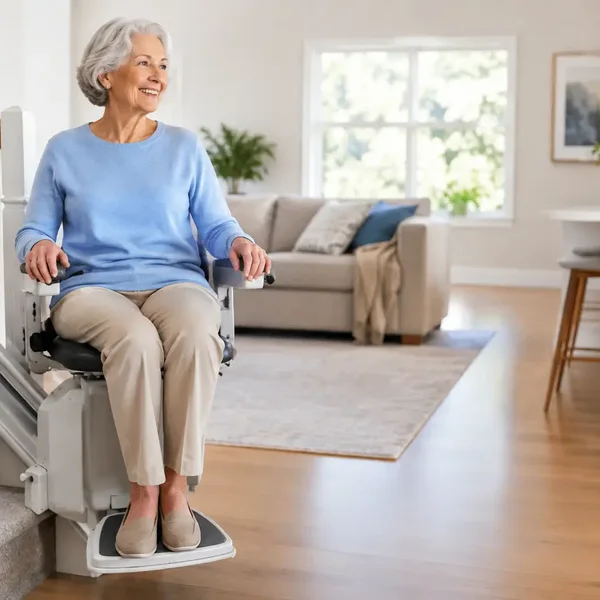
The home environment also matters. A loose rug, poor lighting, cluttered walkway or unsuitable chair can make a manageable activity risky. Small changes can have a significant effect on confidence and independence. In some circumstances, equipment, moving and handling advice, specialist seating or adaptations may be appropriate. These decisions should be based on assessment, not guesswork.
Make everyone’s role clear
Family members and carers often want to help, but too much help can unintentionally reduce opportunities to practise. Too little support can leave someone feeling unsafe or abandoned. The balance is delicate, and it may shift as recovery develops.
Agree what support looks like for each activity. One person may need someone nearby for reassurance, while another may benefit from a prompt at the beginning and space to complete the rest independently. It can help to use consistent language and routines, particularly for children, people with cognitive changes, or anyone who feels anxious about making mistakes.
Families also need permission to be families. Home rehabilitation works best when it respects relationships rather than making every interaction feel clinical. Build in moments of enjoyment, ordinary conversation and rest. If a plan relies on one exhausted carer delivering complex therapy every day, it is unlikely to be sustainable.
Review what is happening, not just what was planned
A written plan is useful, but it should remain a living document. Brief notes can reveal useful patterns: when energy is best, which activities lead to pain, what support was needed, and which strategies increased confidence. Progress may show up as doing a task more safely, taking fewer prompts, recovering more quickly afterwards, or feeling willing to try again. These changes matter even when the end goal is still some distance away.
Reviewing regularly also protects against plans becoming outdated. A task that was challenging two weeks ago may now be too easy. Equally, a strategy may sound good but not fit the household’s routines. Honest feedback allows the programme to change before it becomes frustrating.
At Life-OT, personalised rehabilitation considers more than isolated symptoms. By combining function-focused occupational therapy with attention to movement, nutrition and meaningful participation where appropriate, support can reflect the whole person and the life they are rebuilding.
Know when specialist input is needed
Some home rehabilitation can be supported through general guidance, but individual assessment is especially valuable when there is a risk of falls, significant pain, fatigue, cognitive change, sensory distress, complex equipment needs or uncertainty about how to progress safely. Professional support can also help when family relationships are under strain, school participation is difficult, or a person has lost confidence after illness or injury.
An occupational therapist can observe activities in the setting where they actually occur and help translate broad goals into practical steps. This may involve adapting routines, supporting emotional adjustment, liaising with schools or workplaces, and helping the person reconnect with the occupations that give their life purpose.
The most helpful home rehabilitation plan is not the busiest one. It is the one that feels possible on an ordinary day, respects the person’s identity and gradually gives them more choice in how they live.