
Care Insights
How to Improve Daily Living Skills at Home
14 August 2026
Learn how to improve daily living skills with practical, person-centred strategies that build confidence, independence and meaningful participation daily.
The moments that shape independence are often small: choosing suitable clothes for the weather, making breakfast, getting through a shower, remembering a school bag, or managing the journey to work. When these tasks feel difficult, they can affect confidence, relationships and a person’s sense of who they are. Learning how to improve daily living skills is not about expecting someone to do everything alone. It is about finding the right level of support, practice and adaptation so everyday life feels more manageable and meaningful.
Daily living skills can change following illness, injury, disability, neurodivergence, changes in mental health or a significant life transition. For children and young people, skills may still be developing. For adults, a previously familiar task may now require more energy, planning or physical effort. A person-centred approach begins with what matters most to the individual, rather than a generic checklist of what they should be able to do.
What are daily living skills?
Daily living skills are the practical activities that help us care for ourselves, manage a home and take part in family, school, work and community life. Personal tasks may include washing, dressing, eating, using the toilet and taking medication safely. Wider everyday tasks can involve cooking, shopping, managing money, using public transport, keeping appointments and communicating needs.
The same task can mean very different things to different people. Preparing a meal may represent safety and nutrition for one person, cultural connection for another, or the ability to host friends and feel like themselves again. This is why occupational therapy considers not only the task, but also the person, their routines, environment, motivation and opportunities to participate.
Start with what matters most
Trying to work on every area at once can quickly feel overwhelming. Begin by identifying one or two activities that would make the greatest positive difference to daily life. A parent might choose the morning routine because getting out of the house is stressful. An adult recovering from a stroke may prioritise making a hot drink safely. A young person may want to learn how to travel independently to college.
Make the goal specific and realistic. “Be more independent” is a valuable aspiration, but it is difficult to practise. “Put on my school uniform using a visual checklist” or “prepare a simple lunch twice a week” gives everyone a clearer starting point.
It also helps to understand what makes the task difficult. Is it reduced strength, balance, coordination, pain, fatigue, memory, sensory sensitivity, anxiety, confidence or access to suitable equipment? Often, more than one factor is involved. A person may know exactly how to make a meal but struggle because standing is painful, the kitchen is cluttered and they become overwhelmed by several steps happening at once.
Break tasks into manageable steps
Many daily activities are made up of a sequence of smaller actions. Breaking them down makes the process easier to understand, teach and repeat. For example, getting dressed may include choosing clothes, finding each item, putting clothing on in the right order, managing fastenings and checking comfort.
Support should be matched to the person’s needs. Some people benefit from watching a task first, then trying it with guidance. Others may need a verbal prompt, a written sequence, photographs, a visual timetable or an alarm on a phone. For children, playful repetition and consistent routines can be particularly effective. For adults rebuilding skills, practising within real-life routines can feel more relevant than completing isolated exercises.
Offer just enough help for success. Doing a task entirely for someone may be necessary on difficult days, but doing too much too often can limit opportunities to build skill and confidence. Equally, stepping back too soon can lead to frustration or an unsafe experience. The best level of support may change from day to day.
Use prompts that can gradually reduce
A helpful approach is to move from more support to less support as confidence grows. You might begin by physically guiding part of a task, then use a demonstration, followed by a short verbal cue such as “what comes next?” Eventually, a checklist or familiar routine may be enough.
Try to avoid repeating instructions when a person is already overloaded. A calm pause, one clear cue and time to process can be more useful than a stream of reminders. Praise effort, problem-solving and persistence, not only a completed result. This helps build confidence that can transfer to other tasks.
Adapt the environment before blaming the person
Independence is shaped by the environment as much as individual ability. Small changes at home, school or work can remove unnecessary barriers and reduce the energy needed for everyday tasks.
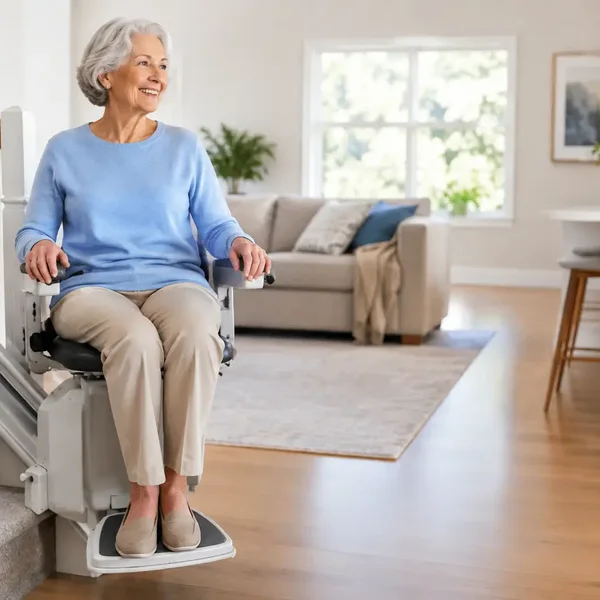
In a kitchen, frequently used items can be stored between waist and shoulder height, heavy pans can be replaced with lighter alternatives, and a perching stool may make food preparation more manageable for someone with fatigue or reduced balance. In a bathroom, non-slip surfaces, grab rails or adapted clothing choices may support safer self-care. For a child, placing dressing items in the same clearly labelled drawer can make a morning routine easier to follow.
Organisation also matters. A visible calendar, medication organiser, labelled storage or a consistent place for keys can support memory and reduce stress. However, adaptations should fit the individual rather than becoming another system they are expected to maintain. A detailed visual timetable may help one person feel settled and leave another feeling pressured.
Safety must remain central. Changes involving moving and handling, falls risk, cooking, medication or personal care should be considered carefully. If a task has become unsafe, it may need equipment, a different method or professional assessment rather than simply more practice.
Build daily living skills through meaningful routines
Repeated practice is valuable, but repetition works best when it has a clear purpose. Invite the person into activities that already matter to them: packing for football training, choosing ingredients for a favourite meal, looking after a pet, preparing clothes for a family event or planning a journey to see friends.
For children and young people, daily living skills develop through participation, not pressure. Give them an age-appropriate role in family life, such as setting the table, sorting laundry, preparing a snack or checking what is needed for school. A task may take longer at first, and there may be mess or mistakes. That is often part of learning.
For adults, rebuilding routine after a period of ill health can require patience. Start with the time of day when energy is usually best. Use pacing by alternating higher-effort tasks with rest, and plan essential activities before optional ones. Completing one meaningful activity well can be more beneficial than pushing through several tasks and needing days to recover.
Support confidence without creating dependence
Family members, carers and professionals can make an enormous difference, particularly when they agree on a consistent approach. It can be tempting to step in quickly when someone is struggling, especially during a busy morning or when distress is rising. Yet giving a little more time, offering a choice, or asking the person to complete one part of the activity can protect their sense of agency.
The aim is not independence at any cost. Interdependence is a normal part of life. Asking for help, using equipment, sharing household jobs and accepting support can all be signs of effective self-management. What matters is that the person has as much control, dignity and participation as possible.
Keep communication respectful. Speak to the person directly, even when a parent, carer or support worker is present. Ask what feels difficult and what they think may help. If an approach is not working, treat this as useful information rather than failure. A goal may need to be made smaller, the timing changed or the environment adapted.
When occupational therapy can help improve daily living skills
Occupational therapy can be valuable when everyday tasks are affecting safety, wellbeing, education, work or family life. An occupational therapist looks beyond the activity itself to understand the physical, cognitive, sensory, emotional and environmental factors influencing participation.
Assessment may take place in the setting where challenges happen, such as home, school, work or the local community. This creates a more accurate picture than asking someone to demonstrate a task in an unfamiliar clinic room. Therapy may include practising tasks, developing routines, recommending adaptations, building confidence, supporting families and working alongside schools or other professionals.
At Life-OT, this work is grounded in the person’s goals, roles and identity. Recovery is not limited to reducing symptoms. It is about nurturing meaningful recovery so children, young people and adults can take part in the activities and relationships that give their lives purpose.
Progress rarely follows a straight line. Energy, pain, mood, confidence and life demands can all change from week to week. A compassionate plan makes room for this, celebrates small gains and keeps returning to a simple question: what would make everyday life feel more possible today?